Museum of Islamic Art
Bab el-Khalq, Cairo · ★ 4.5
Our Review
This museum is Cairo's most underrated cultural institution. Housing over 100,000 objects spanning thirteen centuries of Islamic artistic production, it occupies a neo-Mamluk building dating to 1903 that was painstakingly restored after a devastating 2014 car bomb. The restoration is exemplary: modern climate-controlled galleries within the original architectural shell.
The collection sprawls across ceramics, glasswork, metalwork, textiles, woodwork, stone carving, and manuscripts. The Fatimid lustre ceramics alone would justify a dedicated museum. Iznik tiles from Ottoman Turkey blaze with cobalt and turquoise. Dozens of hand-blown, gilded mosque lamps represent centuries of artistic evolution in a single display case.
The metalwork galleries are perhaps the most remarkable: Mamluk-era brass pieces inlaid with silver and gold achieve a refinement unmatched by anything produced in medieval Europe. The manuscript hall contains Qurans with calligraphy and illumination that redefine what you thought was possible with pen and pigment. Entire carved wooden ceilings and mihrab niches have been transported from historic Cairo mosques. Allow two hours.
What to Know
- Arrive early to avoid midday crowds
- Multilingual audio guides available on-site
- Photography generally permitted (no flash)
- Accessible facilities and family-friendly amenities
- Allow minimum 2-3 hours for a thorough visit
More Reviews
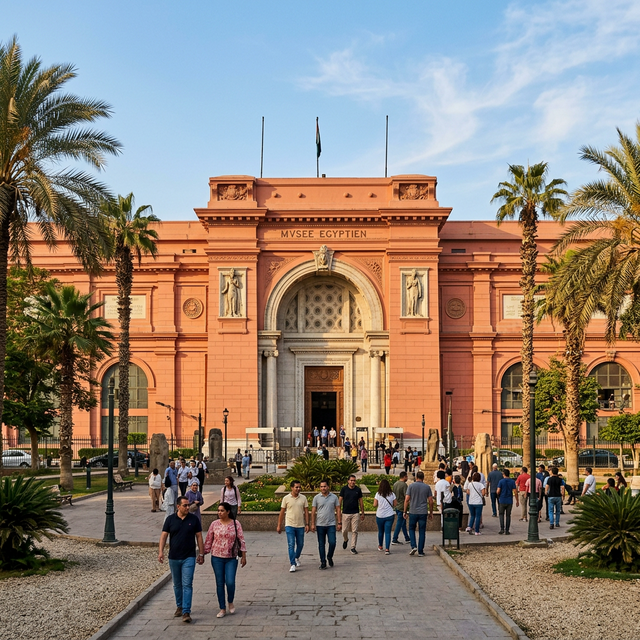
Egyptian Museum of Antiquities
The pink-hued neoclassical palace on Tahrir Square has been the premier Egyptological address since Marcel Dourgnon designed it in 1897. Man...
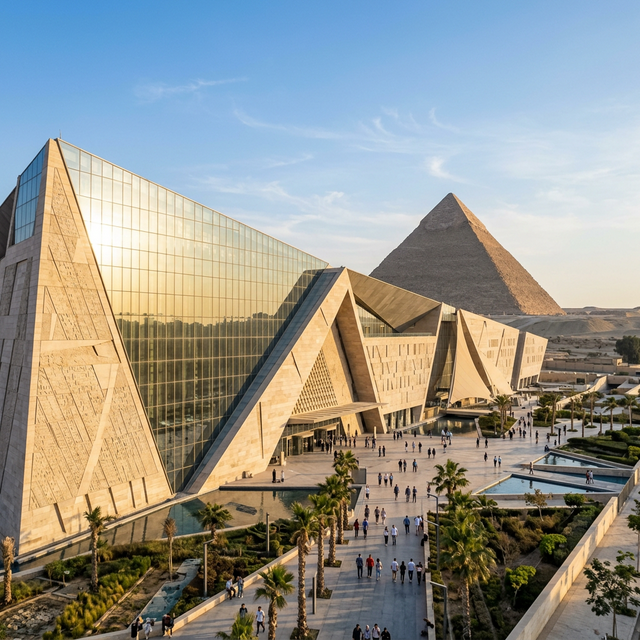
Grand Egyptian Museum
The Grand Egyptian Museum is the kind of project that rewrites the rules. Located two kilometers from the Giza Pyramids, this 490,000-square...
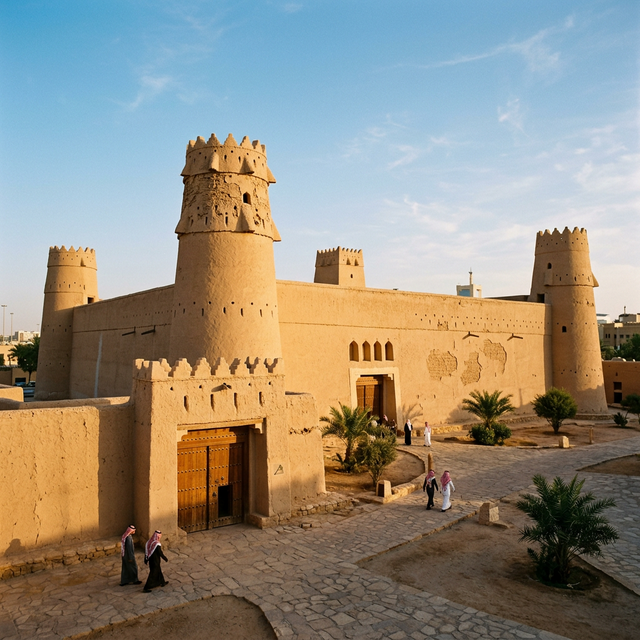
Masmak Fortress
You can still see the spearhead embedded in the wooden gate. On the night of January 15, 1902, the twenty-one-year-old Abdulaziz ibn Abdul R...